
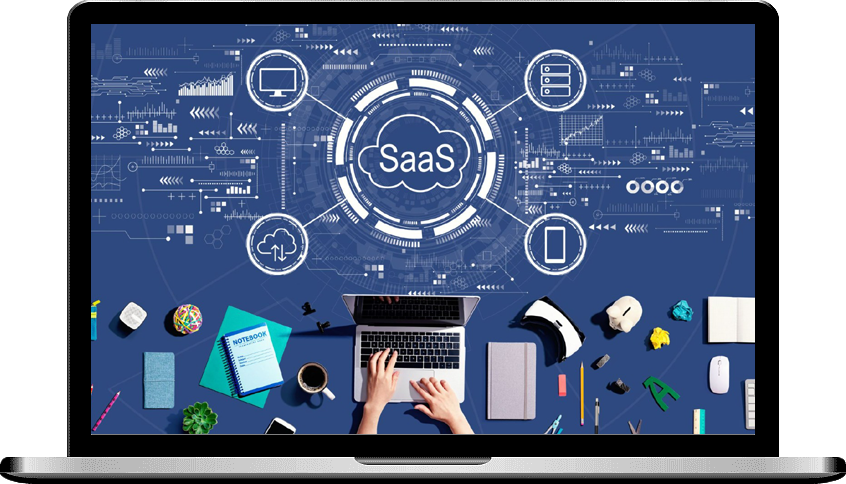
In modern enterprises, bespoke software multi department solutions have become essential for improving collaboration, reducing workflow friction, and enabling seamless internal systems integration. Businesses that operate across multiple departments often struggle with disconnected tools, duplicated work, and inefficient communication. Custom-built software solves these challenges by aligning every team under a unified digital ecosystem.
When properly implemented, bespoke software multi department platforms act as the backbone of operational efficiency, ensuring that sales, marketing, HR, finance, and operations all work in sync.
Why Cross-Team Alignment Matters in Multi-Department Businesses
Cross-team alignment ensures that all departments share the same goals, data, and workflows. Without it, organizations face:
- Miscommunication between departments
- Delayed project execution
- Data silos across systems
- Inefficient reporting structures
- Reduced productivity
By using bespoke software multi department systems, companies eliminate these issues through centralized coordination and real-time data sharing.
Key Benefits of Bespoke Software for Multi-Department Businesses
Below is a breakdown of the main advantages:
Benefit
Description
Centralized Data
All departments access the same information
Improved Communication
Real-time messaging and updates across teams
Workflow Automation
Reduces manual tasks and errors
Cross Team Software Integration
Seamless collaboration between departments
Scalability
Easily adapts to business growth
These advantages highlight why bespoke software multi department solutions are becoming a strategic investment for modern companies.
How Bespoke Software Improves Cross-Team Alignment
1. Unified Data Access
All departments work from a single source of truth. This eliminates confusion caused by outdated spreadsheets or disconnected tools.
2. Automated Workflow Distribution
Tasks are automatically assigned based on department roles, ensuring smooth task flow across teams.
3. Real-Time Collaboration Tools
Messaging, dashboards, and notifications ensure every department stays updated instantly.
4. Integrated Reporting Systems
Management gains a complete overview of business performance without manual data collection.
5. Internal Systems Integration
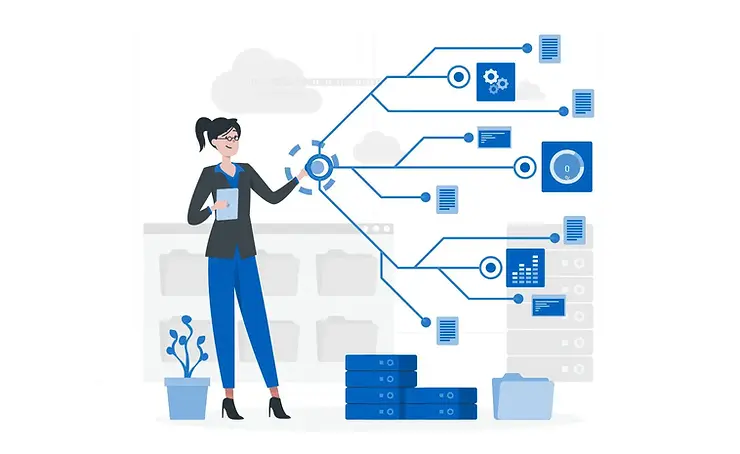
By connecting CRM, ERP, HR, and financial tools, bespoke software multi department platforms eliminate fragmentation.

Cross Team Software vs Off-the-Shelf Tools
Feature
Cross Team Software
Off-the-Shelf Software
Customization
High
Limited
Department Integration
Full
Partial
Scalability
Flexible
Restricted
Cost Efficiency (Long-term)
High
Medium
Workflow Alignment
Optimized
Generic
This comparison clearly shows why businesses prefer bespoke software multi department systems over generic solutions.
Internal Systems Integration Strategy
Successful digital transformation depends on strong internal systems integration. This ensures all tools communicate seamlessly across departments.
A well-designed system allows:
- HR data to sync with payroll
- Sales data to integrate with CRM
- Operations to connect with inventory systems
- Finance to access real-time revenue data
Organizations like Devectus specialize in building scalable digital ecosystems that support multi-department alignment.
You can also explore related solutions here:
- bespoke software solutions
Challenges Without Bespoke Software Multi Department Systems
Businesses that rely on disconnected tools often face:
- Slow decision-making processes
- High operational costs
- Repeated manual data entry
- Lack of transparency between departments
- Poor collaboration between teams
These issues directly impact profitability and scalability.
Features That Support Cross-Team Alignment
Modern bespoke software multi department systems include:
- Role-based dashboards
- Department-specific permissions
- Centralized reporting engines
- Automated task management
- API-based system integrations
These features ensure that cross team software functions smoothly across all business units.
Best Practices for Implementation
To maximize the value of bespoke software multi department solutions, companies should:
- Define clear departmental workflows
- Map out all internal systems before integration
- Train employees on new workflows
- Continuously optimize automation rules
- Monitor performance across departments
Proper implementation ensures long-term success and adoption.
External Industry References
For further insights into enterprise software integration and cross-team collaboration strategies:
- McKinsey Digital Transformation Insights
- Salesforce Enterprise Integration Guide
- Microsoft Business Process Automation
These resources provide deeper understanding of how internal systems integration improves enterprise performance.
Conclusion
Bespoke software multi department solutions are no longer optional for growing businesses—they are a necessity. By enabling cross-team alignment and strong internal systems integration, organizations can eliminate inefficiencies, improve communication, and scale faster.
Companies that invest in custom cross team software today will have a significant competitive advantage in the future of digital business operations.